
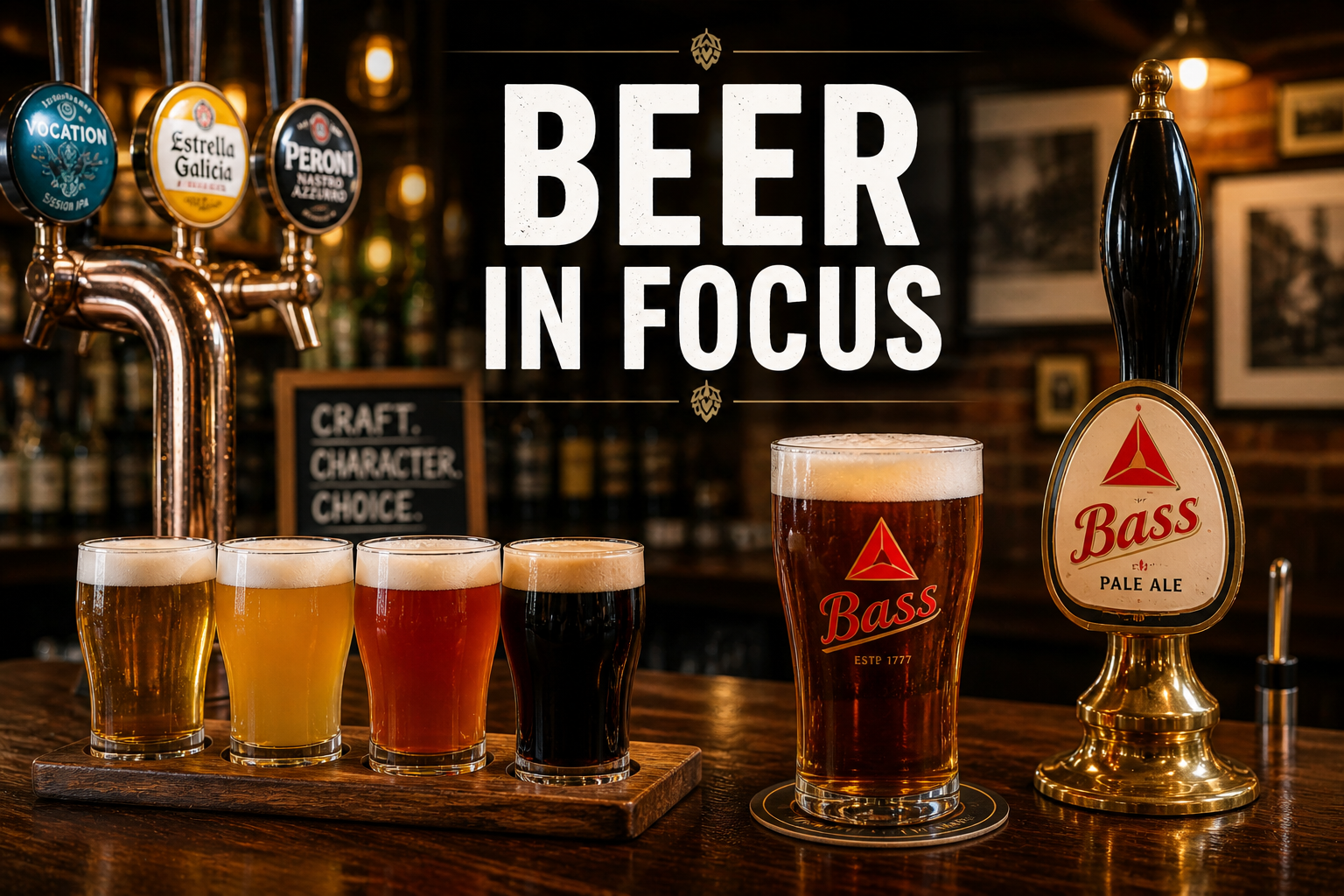

The modern beer landscape is defined by contrast. Innovation, experimentation and new formats are reshaping the category, while heritage and familiarity continue to anchor it. For operators, success lies in balancing both.
According to John Hoe Head of Bar Operations of Vocation Brewery, today’s drinker is more intentional, with moderation, premiumisation and perceived value driving decision-making.
“Consumer demand is increasingly shaped by moderation, premiumisation and a desire for beers that feel worth the spend. Pub-goers are prioritising sessionability, flavour and perceived value in equal measure, and that is influencing performance across both mainstream and craft.”
In mainstream categories, he highlights ongoing strength in premiumisation, particularly within lager.
“Premium and world lagers in particular continue to provide reassurance and consistency, especially for group occasions where customers want a recognisable option. This drives steady volume and gives pubs a reliable foundation for their beer offer.”
Contemporary Shift
Modern beer trends are centred around flexibility and experience. Sessionable styles such as lagers, pale ales and mid-strength IPAs are thriving, offering flavour without heaviness and supporting longer social occasions.
Premiumisation is also key. Drinkers are willing to spend more, but only when the quality and experience justify it. As a result, pubs are seeing success with well-curated ranges that combine everyday drinkability with standout options.
Formats play an increasing role. Tasting flights, smaller serves and rotational taps encourage exploration, while events—from tap takeovers to food pairings—turn beer into a more immersive experience. Independent breweries continue to drive this momentum, delivering bold, expressive styles that keep the category fresh and engaging.
The Traditional Backbone
While innovation drives excitement, tradition provides consistency.
Premium and world lagers remain a cornerstone of the on-trade, offering familiarity and ease—particularly for group occasions. These styles deliver reliable volume and form the foundation of a balanced beer range.
Heritage also plays a powerful role in shaping consumer trust, with classic brands continuing to resonate in a rapidly evolving market.
Bass Day: Celebrating Brewing Heritage
Few brands capture this legacy better than Bass. Founded in 1777 by William Bass in Burton upon Trent, Bass helped define British pale ale and became a global symbol of quality.
Its iconic red triangle was the UK’s first registered trademark, marking a milestone in both brewing and branding. Today, Bass Day celebrates not just the beer, but Burton’s wider contribution to brewing heritage and the enduring appeal of traditional styles.
Striking the Balance
The divide between contemporary and traditional beer isn’t a conflict—it’s an opportunity.
Modern drinkers may explore craft-led innovation, but they still return to familiar, trusted options. For operators, the strongest offer reflects both:
- Contemporary styles that drive interest and discovery
- Traditional favourites that deliver consistency and volume
By combining sessionable craft, premium classics and occasional limited releases—supported by engaging formats and knowledgeable staff—pubs can create a beer range that appeals across occasions.
In today’s on-trade, it’s not about choosing between tradition and innovation. It’s about using both to create an experience that keeps customers coming back.